

As temperatures drop, it’s crucial to ensure your farm animals are ready to face the challenges of winter. Proper preparation not only keeps your livestock healthy and comfortable but also minimizes stress and ensures productivity during the colder months. Here’s a step-by-step guide to getting your farm animals ready for winter.
1. Ensure Shelter is Warm and Dry
Providing a warm, dry shelter is essential for protecting farm animals from harsh weather conditions. Even animals that are cold-tolerant need a safe place to escape the wind, rain, and snow.
- Tips:
- Inspect barns, coops, and sheds for drafts and leaks. Patch any holes or gaps.
- Add extra bedding, such as straw or wood shavings, to insulate against cold floors.
- Ensure proper ventilation to prevent moisture buildup, which can lead to respiratory issues.
2. Adjust Feeding for Increased Energy Needs
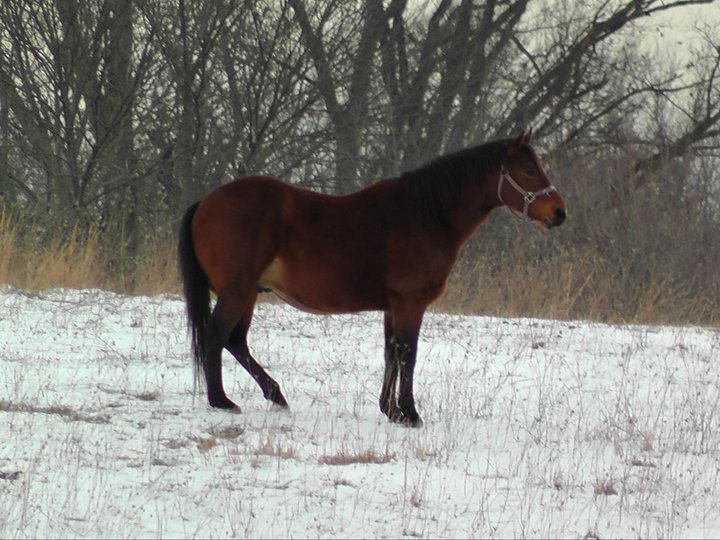
In cold weather, animals burn more calories to maintain their body heat. Adjust their feed to provide the extra energy they need.
- Tips:
- Increase the amount of high-energy feed, such as grains or hay.
- Ensure animals have continuous access to clean, unfrozen water to prevent dehydration.
- Provide mineral and salt blocks to support overall health during the winter.
3. Winterize Water Sources
Frozen water is a common challenge during winter. Ensuring animals have constant access to water is critical for their health.
- Tips:
- Use heated waterers or de-icers to keep water from freezing.
- Insulate water troughs or buckets with covers or thermal wraps.
- Check water sources frequently to ensure they are functioning properly.
4. Monitor and Maintain Animal Health
Cold weather can stress animals, making them more susceptible to illness. Regular health checks are vital to catching and addressing issues early.
- Tips:
- Keep an eye on signs of illness, such as lethargy, coughing, or changes in eating habits.
- Ensure vaccinations are up to date to prevent disease outbreaks.
- Deworm animals and trim hooves to avoid complications during the winter.
5. Provide Extra Protection for Vulnerable Animals
Some animals, like young, old, or sick livestock, may require additional care to survive the winter months.
- Tips:
- Use blankets or jackets for animals particularly sensitive to cold, like goats or horses.
- Isolate sick or weaker animals in warmer enclosures to reduce stress.
- Keep nesting boxes well-insulated for smaller animals, like chickens, to prevent frostbite.
6. Prepare for Emergency Situations
Winter storms and freezing conditions can disrupt routines. Being prepared ensures you can care for your animals no matter what.
- Tips:
- Stock up on feed and bedding to last through heavy snow or icy conditions.
- Keep backup water and power sources, like generators, in case of outages.
- Have a first-aid kit on hand for both minor injuries and emergencies.
7. Encourage Movement and Exercise
Animals need to move around to promote circulation and generate body heat. Allowing them some time outdoors, even in winter, can be beneficial.

- Tips:
- Clear snow from pastures or pens to create safe walking paths.
- Rotate feeding areas to encourage movement and prevent muddy or icy buildup.
- Provide toys or enrichment for smaller animals to keep them active indoors.
8. Maintain Cleanliness
Winter doesn’t mean skipping regular cleaning routines. A clean environment helps reduce the risk of disease and keeps animals comfortable.
- Tips:
- Remove soiled bedding and replace it regularly to prevent dampness.
- Keep feeding areas clean to avoid attracting pests.
- Manage manure to prevent ice buildup and improve overall hygiene.
Final Thoughts
Preparing farm animals for the winter months takes effort, but it’s well worth it to ensure their health, comfort, and productivity. By providing proper shelter, nutrition, and care, you can help your livestock thrive even in the coldest weather. Start your preparations early, and you’ll set your farm up for a safe and successful winter season.