
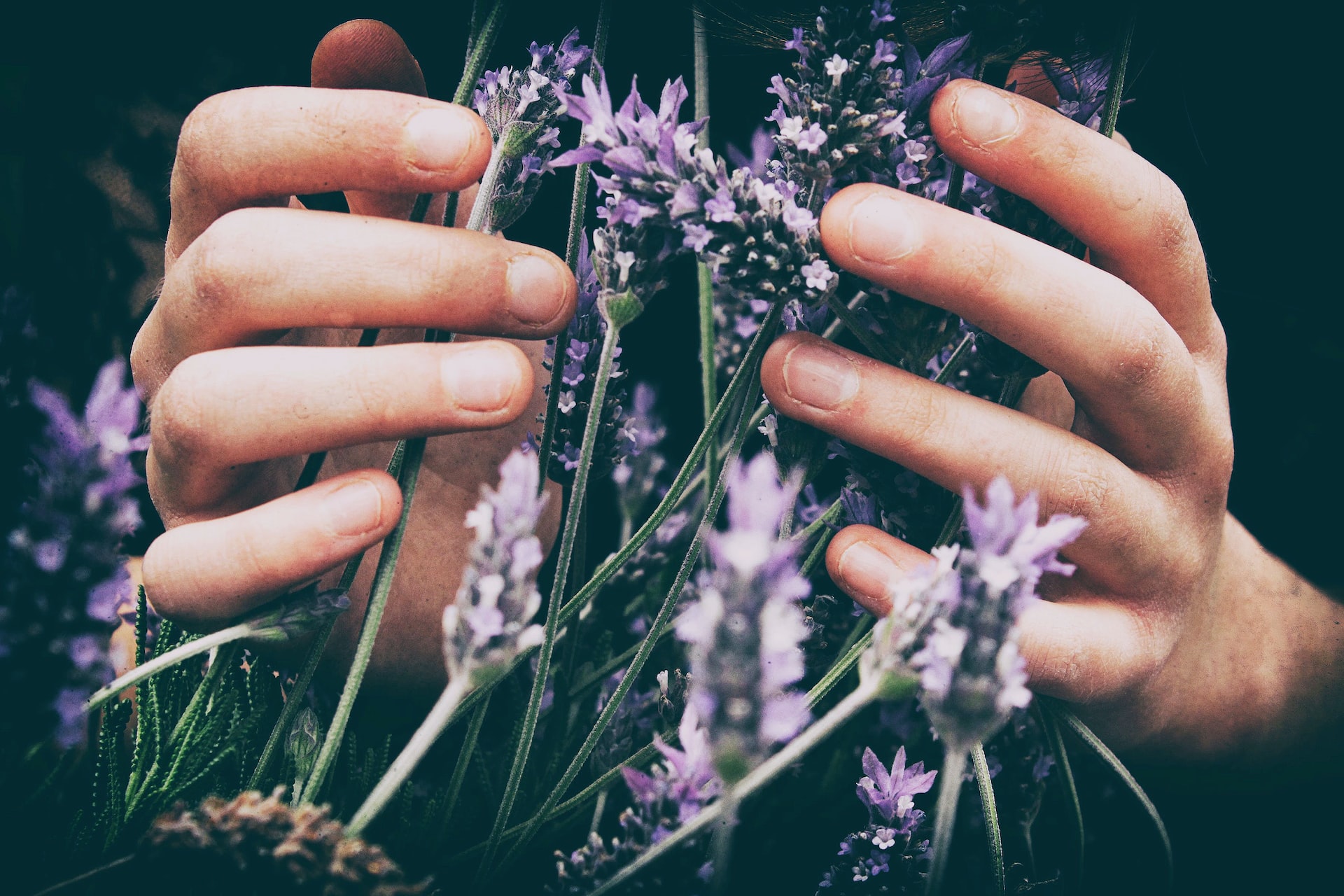
Aromatherapy, the practice of using essential oils to improve physical and emotional well-being, has been around for centuries. From calming stress to boosting energy, essential oils are celebrated for their natural healing properties. Let’s explore the power of aromatherapy, how essential oils work, and how to use them to create a balanced, mindful lifestyle.
What is Aromatherapy?
Aromatherapy uses essential oils—concentrated plant extracts derived from flowers, leaves, roots, and bark—to promote physical and emotional health. Each oil has a distinct aroma and set of properties that can influence mood, energy, and wellness. Through inhalation or skin application, the aroma of essential oils triggers responses in the limbic system, the part of the brain that regulates emotions and memories.
From relaxation to rejuvenation, there’s an essential oil for almost every need or mood.
Benefits of Aromatherapy and Essential Oils
- Stress Reduction and RelaxationEssential oils like lavender, chamomile, and ylang-ylang are renowned for their calming effects. These oils can help reduce stress, anxiety, and promote restful sleep. Diffusing lavender before bed or applying diluted chamomile oil to pulse points can create a peaceful atmosphere, encouraging relaxation and mental clarity.
- Mood and Energy BoostOils like peppermint, citrus (orange, lemon, grapefruit), and rosemary have energizing properties. Their fresh scents can uplift the spirit, combat fatigue, and improve concentration. Diffuse a few drops of lemon or peppermint oil in your workspace to sharpen focus or start your morning with a burst of energy.
- Respiratory SupportEucalyptus and tea tree oils are popular for respiratory health. Known for their antimicrobial properties, these oils help clear the airways and support breathing, especially during cold season. Simply inhale the scent from a personal inhaler or diffuse them to support easier breathing and promote a clean, refreshing atmosphere.
- Pain Relief and Muscle RelaxationEssential oils like peppermint, ginger, and frankincense are often used in aromatherapy for pain relief. When diluted with a carrier oil, they can be applied to sore muscles and joints for a soothing effect. Peppermint oil is also effective for tension headaches when applied to the temples.
Ways to Use Essential Oils in Aromatherapy
- DiffusionUsing a diffuser is one of the most popular methods for aromatherapy. Add a few drops of your favorite essential oil to the diffuser with water, and let the aroma fill the room. Diffusers are great for creating a relaxing, spa-like atmosphere at home or work.
- InhalationFor an on-the-go solution, personal inhalers are small, portable devices that allow you to inhale essential oils anytime, anywhere. This method is perfect for quick mood shifts or stress relief, with oils like bergamot or lavender.
- Topical ApplicationDiluted essential oils can be applied to the skin to experience both aromatic and direct effects. Apply oils to pulse points on your wrists, neck, or behind the ears, and let the aroma unfold. Oils like frankincense and sandalwood can support mindfulness, making them ideal for yoga or meditation.
- Bath and ShowerA few drops of essential oil in your bath can transform it into a relaxing ritual. Lavender, eucalyptus, and chamomile are popular choices. Alternatively, add a few drops to your shower by placing them on a washcloth or mixing with body wash for an aromatic steam experience.
Choosing the Right Essential Oils for Aromatherapy
Selecting the right essential oil can feel overwhelming with so many options available. Here are a few suggestions based on desired effects:
- Relaxation: Lavender, chamomile, ylang-ylang
- Focus and Clarity: Rosemary, peppermint, lemon
- Energizing: Orange, grapefruit, eucalyptus
- Mood-boosting: Bergamot, rose, clary sage
- Grounding: Frankincense, cedarwood, sandalwood
Aromatherapy Tips and Safety
While essential oils offer incredible benefits, it’s essential to use them safely. Here are a few tips:
- Dilute: Essential oils are potent and should always be diluted with a carrier oil (such as coconut, almond, or jojoba oil) before applying to the skin.
- Patch Test: Before using a new oil on your skin, do a patch test to ensure you don’t have an adverse reaction.
- Avoid Certain Oils: Some essential oils aren’t recommended for certain groups, such as pregnant women or young children. Always consult a healthcare provider if you have specific health concerns.
Final Thoughts
Aromatherapy is an easy and enjoyable way to bring balance and wellness into your life naturally. Whether you want to feel more relaxed, uplifted, or energized, essential oils offer a range of possibilities to support your body and mind. Incorporating them into your daily routine can make life feel a little calmer, fresher, and more centered.
By starting small and exploring the oils that resonate with you, you can discover a unique way to embrace well-being and mindfulness in every moment.