
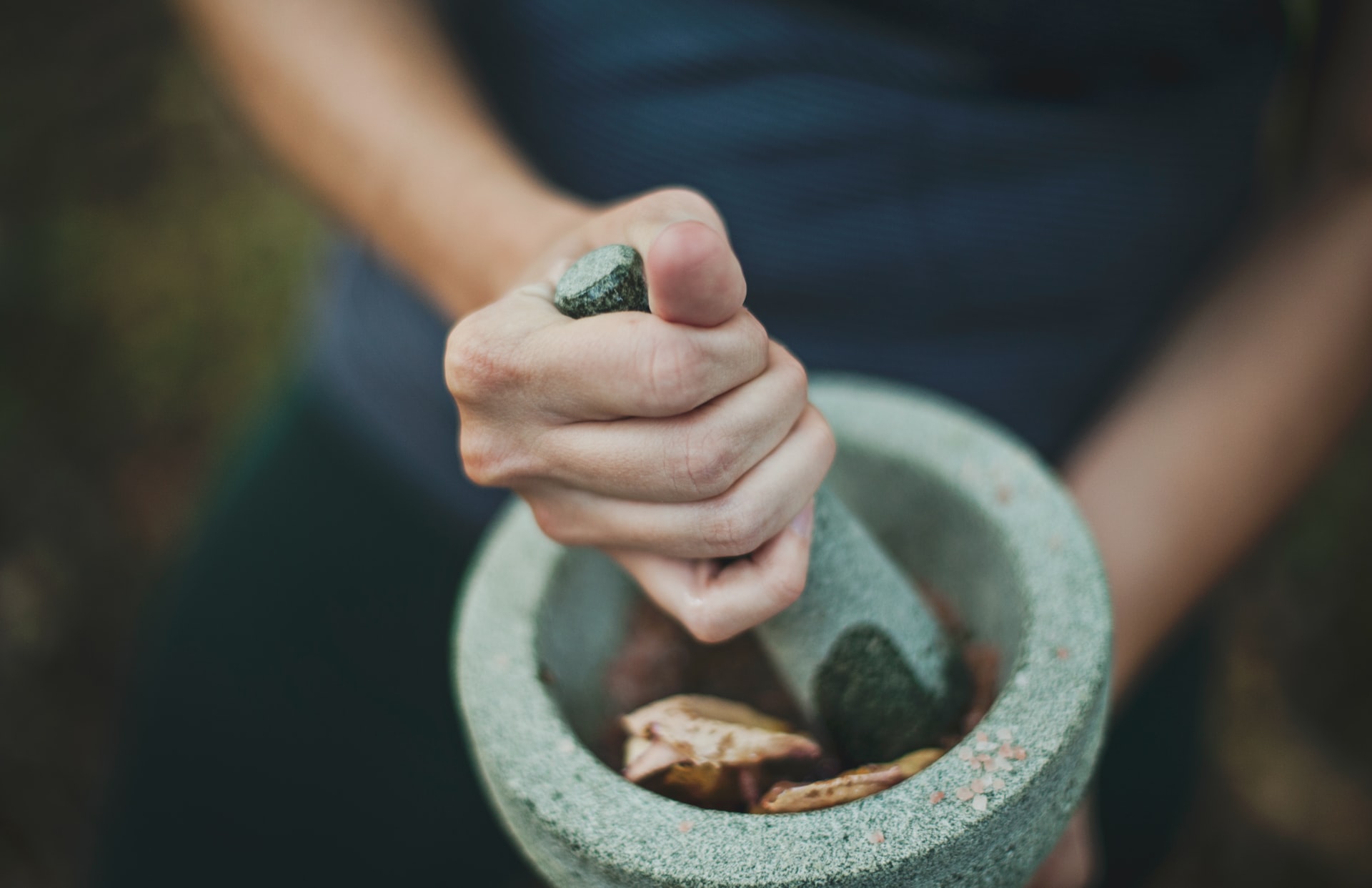
Herbs have been used as natural remedies for centuries, offering relief from various ailments and supporting overall health. With their rich blend of vitamins, minerals, and healing compounds, many herbs can be powerful allies for wellness. Here’s a guide to some common herbs and the ailments they may help alleviate.
1. Chamomile – Stress and Sleep Issues
Chamomile is known for its calming effects and is a popular remedy for anxiety, stress, and insomnia. Its gentle sedative properties can help relax the nervous system, making it easier to unwind and fall asleep. Enjoy chamomile as a tea before bedtime to promote a restful night’s sleep.
- How to Use: Drink as tea or add dried chamomile to a warm bath for relaxation.
2. Peppermint – Digestive Support
Peppermint is widely recognized for its ability to relieve digestive discomfort, including gas, bloating, and indigestion. Its menthol content helps relax the muscles of the gastrointestinal tract, making it ideal for soothing an upset stomach or nausea.
- How to Use: Drink peppermint tea, or use peppermint oil diluted in a carrier oil and massage onto the abdomen.
3. Ginger – Nausea and Inflammation
Ginger is a well-known remedy for nausea, motion sickness, and morning sickness. It also has anti-inflammatory properties, making it useful for joint pain and inflammation. Ginger’s warming effect can promote circulation and support digestion, helping with bloating and gas.
- How to Use: Enjoy ginger tea, add fresh ginger to meals, or take as a supplement. You can also apply ginger oil diluted in a carrier oil to sore muscles.
4. Turmeric – Joint Pain and Inflammation
Turmeric is a powerful anti-inflammatory herb due to its active compound, curcumin. It’s especially helpful for arthritis and joint pain, as it may reduce inflammation in the body. Curcumin is also a strong antioxidant that supports immune health.
- How to Use: Add turmeric to food, drink golden milk, or take as a supplement. Pair with black pepper to enhance absorption.
5. Echinacea – Immune Support
Echinacea is often used to prevent and treat the common cold and other respiratory infections. It stimulates the immune system, helping your body fend off infections more effectively. Echinacea may reduce the duration and severity of cold symptoms.
- How to Use: Take as a tea, tincture, or supplement at the first sign of illness.
6. Lavender – Anxiety and Headaches
Lavender is celebrated for its calming aroma and is commonly used to relieve anxiety, stress, and headaches. Its relaxing properties can also improve sleep quality. Lavender oil can ease tension headaches when applied to the temples and inhaled.
- How to Use: Use lavender essential oil in a diffuser, apply diluted oil to pulse points, or add dried lavender to a warm bath.
7. Milk Thistle – Liver Health
Milk thistle contains silymarin, a compound that supports liver function by protecting liver cells from toxins and promoting regeneration. It’s often used as a natural remedy for liver conditions and detoxification.
- How to Use: Take as a supplement or tea, especially if you’re looking to support liver health.
8. Holy Basil (Tulsi) – Stress and Blood Sugar Balance
Holy basil, also known as tulsi, is an adaptogenic herb, meaning it helps the body adapt to stress. It’s also known to balance blood sugar levels and support respiratory health. Holy basil is used in Ayurvedic medicine to calm the mind and promote resilience.
- How to Use: Drink as tea or take as a supplement, especially during times of high stress.
9. Thyme – Respiratory Health
Thyme is valued for its antibacterial and antiviral properties, making it effective for respiratory conditions like bronchitis, coughs, and colds. It can help break up mucus, making it easier to breathe during colds and flu.
- How to Use: Drink as tea, add fresh thyme to foods, or use thyme essential oil in a steam inhalation.
10. Rosemary – Memory and Circulation
Rosemary is often used to support memory and focus, thanks to its antioxidant properties and ability to stimulate circulation. Its aroma is also uplifting and can help relieve mild fatigue and stress.
- How to Use: Use rosemary essential oil in a diffuser or apply diluted oil to your temples for focus. Fresh rosemary can also be added to meals.
11. St. John’s Wort – Mood Support
St. John’s Wort is widely known for its mood-enhancing properties and is commonly used for mild depression and anxiety. It contains compounds that may support the production of serotonin, a neurotransmitter linked to mood regulation.
- How to Use: Take as a tea, tincture, or supplement. Note: Consult a healthcare provider before using as it can interact with certain medications.
12. Dandelion – Digestive and Kidney Health
Dandelion root supports liver health and acts as a natural diuretic, helping to flush out toxins through the kidneys. It’s also a digestive tonic, stimulating bile production and improving digestion.
- How to Use: Drink dandelion root tea, add fresh dandelion greens to salads, or take as a supplement.
13. Sage – Sore Throat and Menopause Symptoms
Sage has antibacterial properties that make it effective for soothing sore throats and gum inflammation. It’s also used to manage menopause symptoms like hot flashes and night sweats.
- How to Use: Gargle with sage tea for sore throat relief or drink it to help with menopausal symptoms.
14. Fenugreek – Digestive Health and Lactation Support
Fenugreek is a popular herb for promoting digestive health, and it’s often used by nursing mothers to support milk production. It may also help regulate blood sugar levels.
- How to Use: Add fenugreek seeds to meals or drink fenugreek tea. Nursing mothers can use fenugreek supplements as recommended.
Final Thoughts
Herbs can provide valuable support for various health concerns, offering natural remedies that work alongside conventional treatments. While herbs can be a gentle and effective way to manage symptoms, it’s essential to consult a healthcare provider before starting a new herbal regimen, especially if you’re pregnant, nursing, or taking medications.
By incorporating these healing herbs into your lifestyle, you can nurture your well-being and enjoy the benefits of natural remedies. Whether it’s a cup of chamomile tea for relaxation or a dash of turmeric for joint health, herbs offer countless ways to support a healthier, more balanced life.